Video editing doesn’t have to mean emptying your bank account. Finding a capable machine that can handle rendering timelines, applying effects, and color grading without constant lag is entirely possible on a budget. This guide is designed for creators, students, and aspiring filmmakers who need reliable performance without the premium price tag. We’ve scoured the market to find laptops that offer the perfect balance of processing power, graphics capability, and RAM for smooth editing workflows.
The key to a good budget video editing laptop lies in its core components: a modern multi-core CPU, a dedicated GPU (or a very powerful integrated one), at least 8GB of RAM (16GB is ideal), and a fast SSD. Screen quality is also crucial for accurate color work. The following selections prove that you can get serious editing done on machines that are surprisingly affordable, covering a range of needs from light 1080p projects to more demanding 4K work.
Our Top Picks for Budget Video Editing Laptops
- Lenovo Legion 5 Gaming Laptop, 15.6″ FHD Display, AMD Ryzen 7
- Dell G5 SE 5505 15.6″ FHD IPS High Performance Gaming Laptop
- 2020 Dell G5 15 Gaming Laptop: AMD Ryzen 7 4800H, 512GB SSD
- Acer Swift 3 Thin & Light Laptop, 14″ Full HD IPS, AMD Ryzen 5
- Microsoft Surface Laptop Go 12.4″ Touchscreen Laptop PC
- Lenovo IdeaPad 3 Laptop, 15.6″ FHD Touchscreen, Intel Core i5
- HP Windows 11 Pro 15 15.6″ FHD Business Laptop Computer
- Dell Inspiron 14 5425 14″ Laptop Computer – FHD+ Display
- Lenovo Chromebook Flex 5 13″ Laptop, FHD Touch Display
- Acer Aspire 5 A515-56-747C Laptop
Lenovo Legion 5 Gaming Laptop
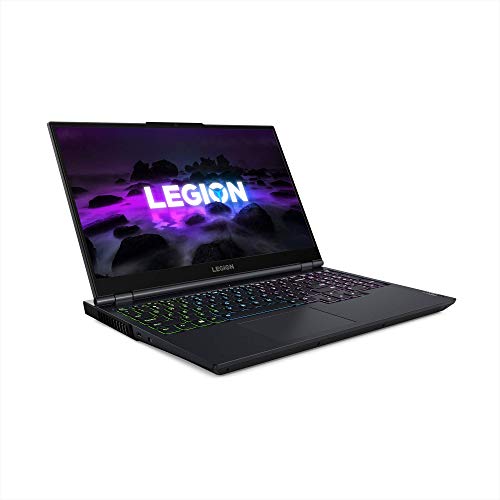
For video editors who also appreciate gaming performance, the Lenovo Legion 5 is a formidable choice. Its AMD Ryzen 7 5800H processor provides eight high-performance cores, making light work of rendering and encoding tasks. Combined with 16GB of RAM, this laptop ensures you can run your editing software, a web browser, and other applications simultaneously without slowdowns.
The NVIDIA GeForce RTX 3050 Ti graphics card is a significant advantage for video editing, accelerating effects rendering and providing support for GPU-accelerated features in popular editing suites. The 15.6″ FHD IPS display offers good color clarity, which is essential for making accurate visual adjustments to your projects. The 512GB NVMe SSD provides fast boot times and quick access to your media files.
Dell G5 SE 5505 Gaming Laptop

The Dell G5 SE delivers serious performance for its class, centered around the capable AMD Radeon RX 5600M graphics card. This dedicated GPU handles video previews and effects rendering smoothly, reducing wait times during your creative process. The 4th Gen AMD Ryzen 5 4600H is a six-core processor that provides ample power for multi-threaded editing tasks.
Its 15.6″ FHD IPS display ensures wide viewing angles and vibrant colors, which is helpful when fine-tuning your footage. While the 8GB RAM is a good start for lighter projects, it represents an easy upgrade path for future expansion. The 256GB PCIe SSD offers fast storage, though editors working with large 4K files may want to supplement with an external drive.
2020 Dell G5 15 Gaming Laptop

This variant of the Dell G5 15 is a powerhouse for budget-conscious video editors. The AMD Ryzen 7 4800H processor is a standout feature, with its 8 cores and 16 threads delivering exceptional multi-tasking performance for rendering and encoding. Paired with the AMD Radeon RX 5600M GPU, it creates a balanced system that can handle complex timelines.
A major benefit for editing is the 15.6″ 144Hz Full HD display. The high refresh rate results in an exceptionally smooth experience when scrubbing through timelines and viewing footage. With 512GB of SSD storage, you have a decent amount of space for your active projects and software. The 8GB of RAM is the component you might consider upgrading first to further improve performance with multiple applications open.
Acer Swift 3 Thin & Light Laptop

If portability is as important as performance, the Acer Swift 3 is an excellent candidate. This thin and light laptop is easy to carry, making it perfect for editors on the go. The AMD Ryzen 5 4500U hexa-core processor, coupled with Radeon Graphics, provides a surprising amount of power for 1080p video editing and lighter creative work.
The 14″ Full HD IPS display ensures your work looks sharp with accurate colors from any angle. Features like the backlit keyboard and fingerprint reader add a layer of convenience and security. With 8GB of LPDDR4 RAM and a 256GB NVMe SSD, it offers a responsive experience for everyday editing tasks, though it’s best suited for projects that aren’t overly complex or in 4K resolution.
Microsoft Surface Laptop Go
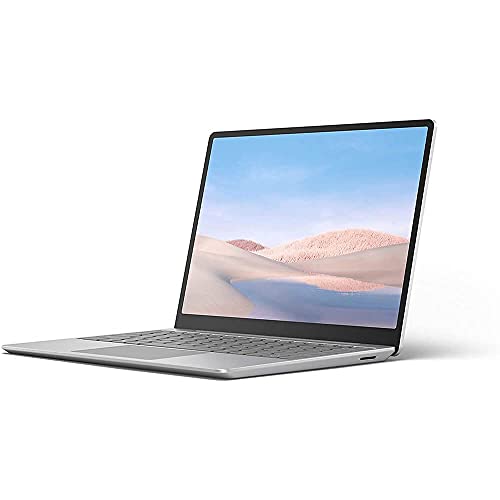
The Microsoft Surface Laptop Go stands out for its premium design and highly portable form factor. Its 12.4″ touchscreen is bright and responsive, ideal for on-the-fly edits and content consumption. The Intel Quad-Core i5-1035G1 processor provides capable performance for basic video editing and everyday computing tasks.
This laptop is best for editors who work primarily with 1080p footage and less complex projects. Its main limitation for video work is the 4GB of RAM and 64GB of eMMC storage, which are on the lower end. However, for students or casual creators who need a stylish, ultra-portable machine for light editing, it remains a compelling option with the full Windows 10 experience.
Lenovo IdeaPad 3 Laptop

The Lenovo IdeaPad 3 offers a compelling specification sheet for video editing, primarily due to its generous 24GB of RAM. This massive memory capacity allows for seamless multitasking, enabling you to run your editing software, have dozens of browser tabs open, and other applications without any performance hiccups. The 1TB SSD provides ample space for a large number of active projects.
With an Intel Core i5-1155G7 processor and a 15.6″ FHD touchscreen display, this laptop handles everyday editing tasks with ease. The combination of high RAM and substantial storage at this price point is rare, making it a practical choice for editors who need to keep many assets readily available without relying on external drives.
HP Windows 11 Pro 15 Business Laptop

This HP business laptop brings a professional aesthetic and reliable performance to video editing. The 11th Generation Intel Core i5-1135G7 processor and Intel Iris Xe Graphics work in tandem to deliver crisp visuals and responsive performance for 1080p video editing. The 16GB of RAM is a sweet spot, providing plenty of headroom for smooth editing and multitasking.
You’ll appreciate the 15.6″ FHD anti-glare display with its slim bezels, offering an immersive view for your creative work. The 512GB PCIe NVMe SSD ensures fast boot times and quick file access. Built for productivity, this laptop is a solid, well-rounded machine for business professionals and creators who need a dependable system for their projects.
Dell Inspiron 14 5425 Laptop

Balancing performance and portability, the Dell Inspiron 14 is a great all-arounder. The AMD Ryzen 7 5825U processor is highly efficient and provides incredible responsiveness for a smooth multitasking experience, which is crucial when switching between editing software, asset libraries, and other tools.
Its 14″ FHD+ anti-glare display is easy on the eyes during long editing sessions. With 8GB of DDR4 RAM and a 512GB SSD, it has a solid foundation for handling 1080p video projects. This laptop is designed for mobility, making it simple to take your editing work with you wherever you need to go without sacrificing too much performance.
Lenovo Chromebook Flex 5
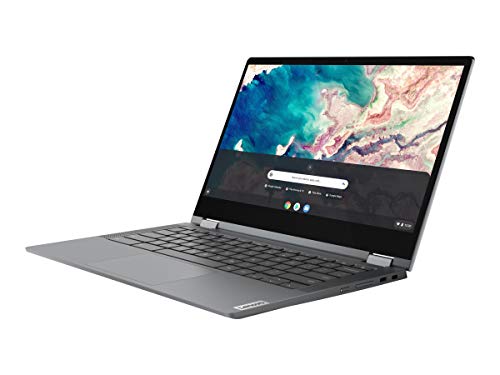
The Lenovo Chromebook Flex 5 is a versatile 2-in-1 device that operates on Chrome OS. Its 13″ FHD touchscreen display and flexible design make it easy to use in laptop, tent, or tablet mode. The 10th generation Intel Core i3 processor provides capable performance for web-based applications and light creative tasks.
This device is best suited for a very specific type of video editing: web-based editing platforms. If your workflow relies on cloud-based tools, the Chromebook Flex 5 can be a cost-effective portal. However, its 4GB RAM and 64GB storage, combined with the inability to install desktop editing software like Adobe Premiere or DaVinci Resolve, make it a niche choice for traditional video editors.
Acer Aspire 5 A515-56-747C Laptop
The Acer Aspire 5 is a consistent favorite in the budget laptop category, known for offering strong value. It typically features a modern Intel Core i7 processor, which provides excellent single-core performance beneficial for many tasks within video editing software. This makes the laptop responsive during timeline scrubbing and application navigation.
Often configured with 8GB or more of RAM and a fast SSD, the Aspire 5 handles 1080p video editing projects competently. The 15.6″ Full HD IPS display ensures good color reproduction and wide viewing angles. It’s a reliable workhorse for students and beginners in video editing who need a balanced machine for both creative work and general use.
Buying Guide: How to Choose a Budget Laptop for Video Editing in 2025
Finding a laptop for video editing that doesn’t break the bank is a real challenge. I’ve been there, staring at spec sheets until my eyes cross. The key is knowing where you can compromise a little and where you absolutely cannot. Let’s break down what really matters when you’re hunting for the best budget laptops for video editing in 2025.
First up, the processor (CPU). This is the brain of your operation, and for video editing, you need a strong one. I prioritize this above almost everything else. Look for at least a recent-generation Intel Core i5 or AMD Ryzen 5. If you can find a deal on an Intel Core i7 or AMD Ryzen 7, jump on it. More cores and threads mean faster rendering and smoother timeline performance. Don’t even think about older dual-core processors; they will only lead to frustration.
Next, RAM is your best friend. Video editing applications are memory hogs. With 8GB of RAM, you can handle basic 1080p projects, but you’ll feel the limitations quickly. I consider 16GB to be the sweet spot for comfortable editing. It allows you to run your editing software, have a few browser tabs open, and maybe even some background music without everything slowing to a crawl. If you plan on working with high-resolution footage like 4K, 32GB is ideal, but that’s harder to find on a tight budget.
Your graphics card (GPU) is crucial for handling effects, color grading, and playback. You don’t need a top-of-the-line gaming GPU, but a dedicated card is a massive upgrade over integrated graphics. Look for an NVIDIA GeForce GTX or RTX series card, or an AMD Radeon RX card. Even an entry-level dedicated GPU will dramatically improve your experience compared to relying on your CPU alone.
Storage is a two-part story. You need a fast Solid State Drive (SSD) for your operating system and your active project files. This makes your laptop boot quickly, applications launch fast, and your timeline scrubbing much smoother. A 256GB SSD is the bare minimum I would accept; 512GB is much better. For storing your completed projects and a massive media library, a large (1TB or more) traditional Hard Disk Drive (HDD) is cost-effective, but your active work should always live on the SSD.
Finally, don’t forget the display. You’re editing video, so you need a good screen to judge your work. Aim for a display with 100% sRGB color gamut coverage for decent color accuracy. A resolution of 1920×1080 (Full HD) is standard, but if you can find a laptop with a 1440p or even a 4K panel in your budget, it’s a fantastic bonus for seeing more detail. Balancing these components is the secret to finding a machine that can handle your creative projects without emptying your wallet.
FAQ
Can I really edit video on a laptop under $600?
Yes, but with clear expectations. In this price range, you’ll be looking at laptops with a good modern CPU (like an AMD Ryzen 5 or Intel Core i5), integrated graphics, and 8GB of RAM. This setup is capable of editing 1080p footage, especially if you use proxy files (lower-resolution stand-ins for editing) to keep the timeline smooth. It won’t be a speed demon for complex effects or 4K, but for basic projects, it’s absolutely possible and represents some of the best budget laptops for video editing in 2025 for beginners.
Is a dedicated GPU necessary for budget video editing?
It’s not strictly necessary, but it is highly recommended. Modern integrated graphics, like Intel Iris Xe or AMD Radeon Vega, are better than ever and can handle basic editing. However, a dedicated GPU, even an older or entry-level one, will take a significant load off your CPU. This results in faster rendering, smoother playback when using effects and transitions, and a generally more responsive feel. If your budget allows for a model with a dedicated GPU, it’s one of the best upgrades you can get.
How much RAM do I actually need?
For serious video editing, 16GB is the new standard. While 8GB will work for very light 1080p work, you risk running out of memory, which causes lag, crashes, and long waiting times. With 16GB of RAM, your laptop can comfortably manage your editing software, multiple application tabs, and the video files themselves. If you frequently work with 4K footage or like to have many programs open at once, 32GB is the next step, but it’s often outside the scope of a sub-$1000 budget unless you find a special deal.
Should I prioritize a better CPU or a better GPU?
On a tight budget, I always advise prioritizing the CPU first. The processor handles the core tasks of decoding footage, processing edits, and final rendering. A powerful CPU is the foundation of a good editing experience. A better GPU will help with specific tasks like color grading, certain effects, and playback, but a weak CPU will bottleneck your entire system. Aim for the strongest processor you can afford, then look for a model that also includes a dedicated GPU.
What is the most important upgrade from a $600 to an $800 laptop?
The jump from $600 to $800 is often where you see the most significant quality-of-life improvements. The most common and impactful upgrade is moving from 8GB to 16GB of RAM. You might also find laptops in this range that include a dedicated graphics card, which was likely absent in the cheaper models. Additionally, you often get a larger or faster SSD. This combination of more RAM and a dedicated GPU makes the $800 price point a real sweet spot for capable 1080p and even some 4K editing.