The competitive gaming landscape in 2025 demands more than just a powerful rig; it requires a display that can keep up with every frame, reaction, and strategic move. The right gaming monitor is your window to virtual worlds, and the difference between victory and defeat can often come down to screen clarity, refresh rate, and response time. With so many brands and models available, finding the perfect match for your playstyle is crucial.
This roundup cuts through the noise to highlight ten standout monitors from leading brands that are defining the standards for immersive gameplay. From high-refresh-rate champions for esports to breathtaking OLED panels for cinematic adventures, we have evaluated a range of options to help you make an informed decision for your next upgrade.
The Ultimate Gaming Monitor Lineup for 2025
- AOC CQ27G2 27″ Super Curved Frameless Gaming Monitor
- AOC 24G2 24″ Frameless Gaming IPS Monitor, FHD 1080P
- AOC G2490VX 24″ Class Frameless Gaming Monitor
- ASUS ROG Swift PG35VQ 35” Curved HDR Gaming Monitor
- ASUS TUF Gaming VG289Q 28” Gaming Monitor 4K
- ASUS TUF Gaming 25″ 1080P Monitor (VG259Q)
- LG UltraGear QHD 34-Inch Curved Gaming Monitor
- ASUS ROG Swift 27”1440P OLED Gaming Monitor
- MSI MPG 341CQPX QD-OLED 34-inch Curved Gaming Monitor
- Alienware AW3423DW 34 Inch QD-OLED Curved Gaming Monitor
AOC CQ27G2 27″ Super Curved Frameless Gaming Monitor

The AOC CQ27G2 offers a deeply immersive gaming experience with its 1500R curved VA panel that wraps around your field of vision. With a sharp QHD 2K resolution and a 144Hz refresh rate, this monitor delivers smooth, detailed visuals that are perfect for both fast-paced action and expansive RPGs. The 1ms response time and AMD FreeSync support work in tandem to eliminate screen tearing and stuttering, providing a competitive edge.
Beyond performance, this monitor produces brilliant colors with over 120% sRGB gamut coverage, making games look vibrant and realistic. The frameless design is ideal for multi-monitor setups, and the fully adjustable stand ensures you can find the perfect viewing angle for long gaming sessions. AOC backs this display with a 3-year zero dead pixel guarantee, adding significant value and peace of mind.
AOC 24G2 24″ Frameless Gaming IPS Monitor
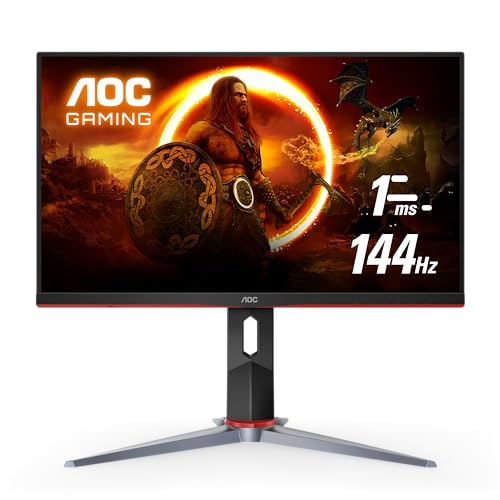
For gamers seeking exceptional performance at a 1080p resolution, the AOC 24G2 is a top contender. Its 24-inch IPS panel delivers consistent, accurate colors and wide viewing angles, ensuring the image looks great no matter how you’re positioned. The combination of a 144Hz refresh rate and 1ms response time makes it an excellent choice for competitive titles where every millisecond counts.
The three-sided frameless design gives it a modern look and allows for a nearly seamless view in a multi-monitor configuration. AMD FreeSync Premium technology ensures smooth gameplay without tearing, while the height-adjustable stand provides the ergonomic flexibility needed for comfort during marathon sessions. It’s a well-rounded package that prioritizes both speed and image quality.
AOC G2490VX 24″ Class Frameless Gaming Monitor
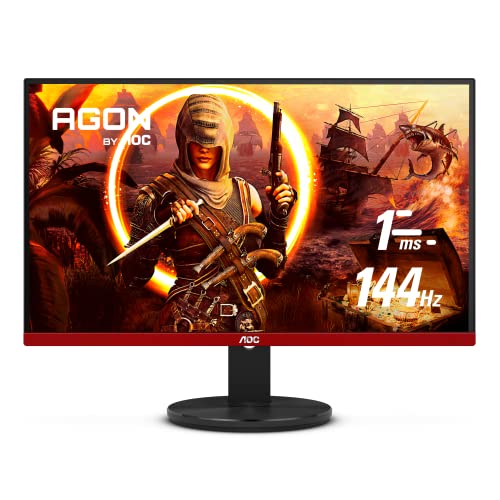
The AOC G2490VX is a solid FHD gaming monitor that balances performance with vibrant color production. Its VA panel technology offers a high contrast ratio for deeper blacks, while covering 126% of the sRGB color gamut for rich, saturated hues. With a 144Hz refresh rate and 1ms response, it handles fast motion effectively, reducing blur during intense gameplay.
This monitor features a clean, three-sided frameless design that is perfect for creating an expansive desktop setup without distracting bezels. AMD FreeSync Premium support keeps the action fluid, synchronizing the monitor’s refresh rate with your graphics card. It’s a reliable and visually appealing option for gamers building a focused and immersive battlestation.
ASUS ROG Swift PG35VQ 35” Curved HDR Gaming Monitor

The ASUS ROG Swift PG35VQ is a premium ultra-wide gaming monitor that represents the pinnacle of display technology. Its massive 35-inch 200Hz panel with a 3440×1440 resolution provides an incredibly immersive, panoramic view that pulls you into the game. With NVIDIA G-SYNC Ultimate and DisplayHDR 1000 certification, this monitor delivers exceptionally smooth gameplay with stunning brightness and contrast.
Quantum dot technology ensures a wide DCI-P3 color gamut, producing realistic and vibrant colors that bring game worlds to life. The combination of a high refresh rate and a 2ms response time makes it suitable for both fast-paced competitive gaming and visually rich single-player experiences. This is a display built for enthusiasts who demand the absolute best in performance and visual fidelity.
ASUS TUF Gaming VG289Q 28” Gaming Monitor 4K

Experience stunning detail and clarity with the ASUS TUF Gaming VG289Q. This 28-inch monitor boasts a crisp 4K UHD resolution and an IPS panel, providing sharp images and wide viewing angles perfect for both gaming and multimedia consumption. Its compatibility with HDR10 means you get enhanced color and brightness that surpasses standard monitor capabilities.
AMD FreeSync technology eliminates screen tearing and stuttering for a smoother visual experience, and it works with both AMD and NVIDIA graphics cards. The TUF Gaming series is designed for durability and long-term reliability, making this 4K monitor a smart investment for gamers who want high resolution without compromising on fluidity.
ASUS TUF Gaming 25″ 1080P Monitor (VG259Q)
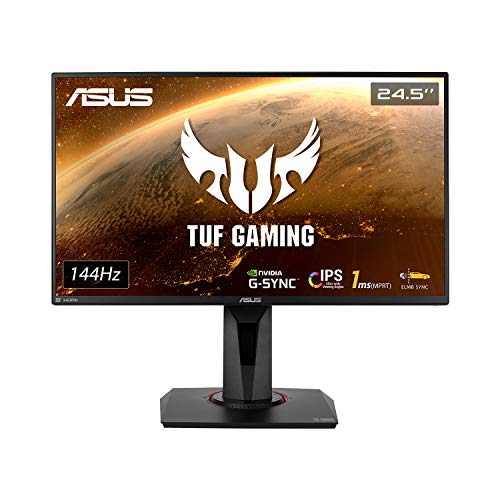
The ASUS TUF Gaming VG259Q is a competitive gaming monitor built for speed and clarity. Its 24.5-inch Full HD IPS panel offers a 144Hz refresh rate and 1ms response time, which are essential for tracking fast-moving targets in shooters and other reaction-based games. AMD FreeSync support ensures that gameplay remains smooth and tear-free.
ASUS includes its proprietary technologies to enhance your gaming advantage. Extreme Low Motion Blur (ELMB) reduces ghosting, while Shadow Boost clarifies details in dark scenes without overexposing bright areas, giving you a visual edge in shadowy environments. This monitor is a focused tool for gamers who need performance and features that can help improve their in-game performance.
LG UltraGear QHD 34-Inch Curved Gaming Monitor
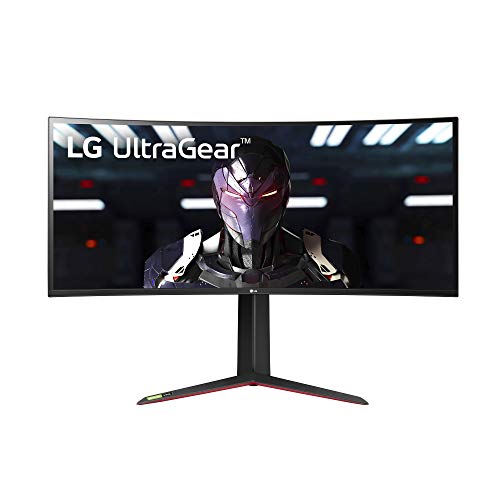
The LG UltraGear 34GP83A-B combines an immersive ultra-wide form factor with high-end Nano IPS technology. The 34-inch WQHD curved display offers an expansive field of view that is perfect for both gaming and productivity. With an overclocked 160Hz refresh rate and 1ms response time, it delivers incredibly smooth and sharp motion handling.
This monitor is compatible with both NVIDIA G-SYNC and AMD FreeSync Premium, providing a virtually tear-free experience regardless of your graphics card. It also features VESA DisplayHDR 400 and covers 99% of the sRGB color space, resulting in vibrant, accurate colors that make every game look its best. It’s a versatile display that excels in every area.
ASUS ROG Swift 27”1440P OLED Gaming Monitor

The ASUS ROG Swift PG27AQDM represents the cutting edge of gaming monitor technology with its 27-inch OLED panel. It offers a stunning QHD resolution with an incredibly fast 240Hz refresh rate and a near-instantaneous 0.03ms response time. This combination provides unbelievably smooth and crisp motion, making it a top-tier choice for competitive gamers.
OLED technology enables perfect blacks and an infinite contrast ratio, while the monitor’s 99% DCI-P3 coverage ensures rich, accurate colors. ASUS has implemented a custom heatsink and voltage optimization to manage heat effectively, reducing the risk of burn-in. The anti-glare micro-texture coating also helps maintain image integrity by minimizing reflections.
MSI MPG 341CQPX QD-OLED 34-inch Curved Gaming Monitor

MSI’s MPG 341CQPX merges Quantum-Dot and OLED technologies to create a display with exceptional picture quality. The 34-inch ultrawide QD-OLED panel delivers breathtaking color volume and incredibly high contrast, bringing games and media to life with stunning realism. A blistering 240Hz refresh rate ensures that even the most frantic action appears perfectly smooth.
With a response time of 0.03ms, this monitor virtually eliminates motion blur and ghosting, providing a level of clarity that surpasses traditional LCD displays. The curved design enhances immersion, pulling you into the game world. This monitor is designed for gamers and creators who will appreciate its top-tier performance and visual excellence.
Alienware AW3423DW 34 Inch QD-OLED Curved Gaming Monitor
The Alienware AW3423DW is a landmark monitor that helped popularize QD-OLED technology for gaming. Its 34-inch curved ultrawide display offers a compelling combination of rich colors, perfect blacks, and a rapid 175Hz refresh rate. The Quantum Dot enhancement layer produces a wide color gamut with remarkable brightness and accuracy.
This monitor is certified with VESA DisplayHDR True Black 400, ensuring exceptional contrast in HDR content. With native G-SYNC Ultimate support, it delivers a flawlessly smooth gaming experience free from screen tearing and stuttering. Alienware’s iconic design and build quality make this a premium centerpiece for any high-end gaming setup, focused on delivering a truly immersive and responsive experience.
What to Look For in the Best Gaming Monitor Brands
When I’m trying to figure out who makes the best gaming monitors, I don’t just look at the brand name. I dig into the specific technologies and features that actually impact my gameplay. It’s easy to get lost in marketing jargon, so I focus on a few key areas that separate the great brands from the merely good ones.
First, I always check the panel technology. For the fastest-paced competitive shooters, a TN (Twisted Nematic) panel offers the lowest response times and highest refresh rates, but the color and viewing angles are often a compromise. For a more balanced experience that most gamers will love, IPS (In-Plane Switching) panels are my go-to. They deliver vibrant, accurate colors and great viewing angles while still offering high refresh rates. Then there’s VA (Vertical Alignment), which provides the best contrast and deepest blacks, making it fantastic for immersive, story-driven games, though it can sometimes have slower pixel response.
Next, I obsess over refresh rate and response time. A high refresh rate, measured in Hertz (Hz), means the screen updates more times per second. Moving from 60Hz to 144Hz or even 240Hz is a game-changer; everything feels smoother and more responsive. Response time, measured in milliseconds (ms), is how quickly a pixel can change color. Look for a gray-to-gray (GtG) response time of 1ms or 2ms to minimize ghosting and motion blur.
For modern graphics cards, Adaptive-Sync is non-negotiable. This includes both NVIDIA’s G-SYNC and AMD’s FreeSync. This technology synchronizes the monitor’s refresh rate with your GPU’s frame rate, eliminating screen tearing and stuttering for buttery-smooth visuals. Many monitors are now “G-SYNC Compatible,” meaning they work with NVIDIA cards without the premium price tag of a dedicated G-SYNC module.
Finally, I consider the resolution and HDR capabilities. 1440p (QHD) is the sweet spot for many gamers in 2025, offering a sharp image without being as demanding on your GPU as 4K. If you have a top-tier graphics card, 4K is breathtaking. For HDR, don’t just look for the HDR logo; look for a high peak brightness (nits) and a wide color gamut. A monitor with a DisplayHDR 400 certification is a decent starting point, but DisplayHDR 600 or 1000 is where HDR truly starts to pop. By weighing these factors, you can cut through the noise and find one of the 10 best gaming monitor brands that perfectly matches your needs and budget.
FAQ
Is a 240Hz monitor worth it over a 144Hz model?
This really depends on the games you play and how serious you are about competitive gaming. For most people, the jump from 60Hz to 144Hz is massive and completely worthwhile. The move from 144Hz to 240Hz is more subtle. If you’re a professional or aspiring pro in fast-paced esports titles like Valorant or Counter-Strike 2, that extra smoothness and reduced motion blur can provide a slight edge. For everyone else, the money is often better spent on a higher-resolution 144Hz monitor or one with better color accuracy.
What’s more important for gaming: resolution or refresh rate?
As a gamer, I prioritize refresh rate. A higher refresh rate (like 144Hz or 240Hz) directly improves gameplay smoothness and responsiveness, which can impact your performance. A higher resolution (like 1440p or 4K) makes the game look sharper and more detailed, but it doesn’t make it feel more responsive. Ideally, you want a balance, but if you have to choose, go for a higher refresh rate for a better gaming experience, especially in competitive titles.
Do I need G-SYNC or FreeSync if I have a powerful graphics card?
Yes, absolutely. Even the most powerful graphics cards can experience frame rate fluctuations, especially in graphically intense scenes. Without Adaptive-Sync (G-SYNC or FreeSync), these fluctuations cause screen tearing. A powerful GPU ensures you have a high average frame rate, but Adaptive-Sync ensures that every single one of those frames is displayed smoothly without tearing or stuttering. It’s a feature that improves the experience at any performance level.
What is the ideal screen size for a gaming monitor?
There’s no single ideal size, as it’s tied to resolution and personal preference. However, a 27-inch monitor is widely considered the sweet spot for 1440p gaming. It offers a great balance of immersion and detail without requiring you to move your head to see the entire screen. For 1080p, I’d stick to 24 or 25 inches to maintain pixel density, while 32 inches is a great canvas for 4K gaming. When considering the 10 best gaming monitor brands, you’ll find they all offer excellent options across these popular sizes.
Are curved monitors good for competitive gaming?
Curved monitors are fantastic for immersion in single-player, story-driven games, as they wrap the image around your field of view. For competitive gaming, it’s a topic of debate. Some pro players feel that the curve can introduce a slight distortion that might affect aim precision, and tournament setups typically use flat panels. However, many casual and semi-pro players adapt to them just fine. It’s largely a matter of personal preference, but if you’re strictly playing for competition, a high-refresh-rate flat panel is the safer, more traditional choice.