Building a new PC is an exciting project, and the motherboard is its crucial backbone, tying all your components together. Finding the right one that balances performance, features, and cost can be a challenge. You need a reliable foundation that supports your chosen CPU, offers the connectivity you require, and fits within your budget without compromising on quality. This selection is designed to help you find that perfect match for your next build.
Whether you are assembling a powerful gaming rig, a content creation workstation, or a compact home theater PC, a great motherboard under $200 is absolutely within reach. The key is knowing which models offer the best value for your specific needs, from the latest AMD and Intel sockets to essential features like PCIe 4.0, robust power delivery, and integrated Wi-Fi. Our curated list covers a range of form factors and chipsets to guide you to an informed decision.
Our Recommended Motherboards Under $200
- ASUS ROG Strix B550-A Gaming Desktop Motherboard
- ASUS AM4 TUF Gaming X570-Plus (Wi-Fi) AM4 Motherboard
- MSI MAG B660M Mortar WiFi DDR4 Gaming Motherboard
- ASUS ROG Strix B550-F Gaming Motherboard, AMD AM4
- ASUS TUF B660M-PLUS WiFi D4 mATX Gaming Motherboard
- MSI MPG Z490 GAMING EDGE WIFI ATX Gaming Motherboard
- MSI MPG B560I Gaming Edge WiFi Gaming Motherboard
- ASUS ROG Strix B450-F Gaming II AMD AM4 ATX Motherboard
- ASUS Prime B650M-A AX II AMD B650 Micro-ATX Motherboard
- ASUS TUF Gaming B650-PLUS WiFi AM5 ATX Motherboard
ASUS ROG Strix B550-A Gaming Desktop Motherboard

This ATX motherboard is an excellent foundation for a clean, high-performance AMD build. It supports AMD Ryzen 5000 and 3rd Gen Ryzen CPUs via the AM4 socket and is ready for the speed of PCIe 4.0, providing fast data transfer for compatible GPUs and M.2 SSDs. Its clean white and silver aesthetic is a standout for builders looking for a specific color scheme.
The board’s 12+2 DrMOS power stages ensure stable and efficient power delivery, which is vital for getting the most out of high-core-count processors. For connectivity, you get a 2.5 Gb Ethernet port with ASUS LANGuard for reliable, high-speed networking, and high-fidelity audio that supports 32-Bit/192kHz playback for an immersive experience.
ASUS AM4 TUF Gaming X570-Plus (Wi-Fi)

For users who need the extra features of the X570 chipset without a high cost, this ATX motherboard is a compelling option. It is built for durability with military-grade TUF components and a robust power design that includes a Pro Cool socket and Digi+ VRM. This makes it a reliable choice for long-term use with powerful AMD Ryzen processors.
This model shines with its comprehensive cooling solution, which includes an active PCH heatsink, VRM heatsink, and an M.2 heatsink to keep temperatures in check during intense workloads. With built-in Wi-Fi, dual M.2 slots, and USB 3.2 Gen2 support, it offers great connectivity and expansion for a feature-rich build.
MSI MAG B660M Mortar WiFi DDR4 Gaming Motherboard
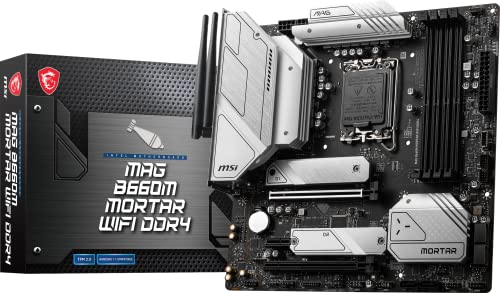
This micro-ATX board is a smart choice for a compact yet powerful 12th Gen Intel build. It supports the LGA 1700 socket for the latest Intel Core processors and utilizes a proven DDR4 memory platform, which can be a cost-effective advantage while still delivering strong performance. Its size makes it ideal for mid-tower and smaller cases.
MSI has equipped the Mortar with a premium thermal solution to handle demanding tasks. The extended heatsink design and M.2 Shield Frozr ensure that critical components like the VRMs and SSDs stay cool, maintaining system stability and performance during long gaming sessions or rendering jobs. Integrated Wi-Fi 6 provides fast and reliable wireless connectivity.
ASUS ROG Strix B550-F Gaming Motherboard
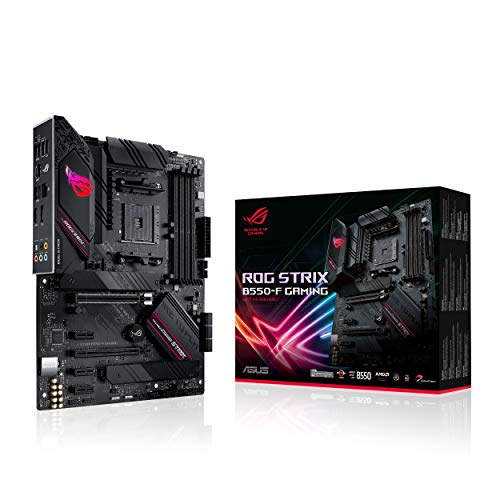
Designed for serious AMD gamers, this ATX motherboard pairs the B550 chipset with the powerful Zen 3 Ryzen 5000 series CPUs. It features PCIe 4.0 support for the latest graphics cards and NVMe storage, ensuring your system is ready for high-speed components. The board’s aesthetic is aggressive and fits well in a gamer-focused build.
A key strength is its optimized thermal design. Fanless VRM and chipset heatsinks with ASUS Stack Cool 3+ technology work to dissipate heat effectively without adding noise, which is crucial for maintaining performance during CPU-intensive games. The 12+2 DrMOS power stages provide clean and stable power, allowing your processor to perform at its best.
ASUS TUF B660M-PLUS WiFi D4 mATX Gaming Motherboard
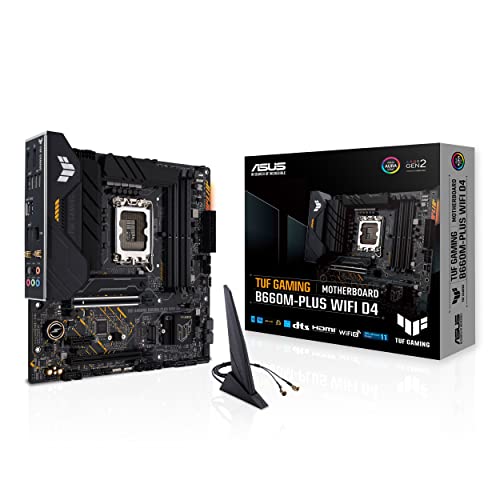
This micro-ATX motherboard brings future-ready features to Intel’s 12th Gen platform. It supports the LGA 1700 socket and is ready for PCIe 5.0, offering a pathway to the next generation of GPUs. Its compact form factor does not sacrifice core functionality, making it a great value for a space-conscious build.
Durability is a hallmark of the TUF Gaming series. This board features a 10+1 DrMOS power stage design, a six-layer PCB, and military-grade components to ensure long-term reliability. Comprehensive cooling, including an enlarged VRM heatsink and a flexible M.2 heatsink, helps maintain system stability. It also includes practical features like Two-Way AI Noise Cancelation for clearer communication.
MSI MPG Z490 GAMING EDGE WIFI ATX Gaming Motherboard

For builders with a 10th Gen Intel Core processor, this ATX motherboard offers a feature-rich platform with the Z490 chipset. It supports high-speed DDR4 memory up to 4800MHz and provides a solid foundation for a powerful gaming system. The inclusion of Mystic Light RGB allows for easy customization of your system’s lighting.
A standout feature is its Lightning USB 20G, which uses a dedicated controller to offer transfer speeds up to 20Gb/s from the rear USB Type-C port. This is exceptionally fast for external storage devices. With dual M.2 slots, Wi-Fi 6, and a quality audio solution, this board is well-equipped for a high-end gaming and multimedia experience.
MSI MPG B560I Gaming Edge WiFi Gaming Motherboard
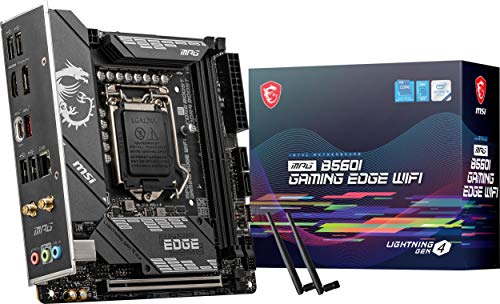
This mini-ITX motherboard proves that you don’t have to compromise on performance for a small form factor build. It supports both 10th and 11th Gen Intel Core processors for the LGA 1200 socket, making it a versatile choice for a powerful compact PC. Its size is perfect for building a diminutive yet capable gaming or HTPC system.
Despite its small stature, it delivers a lightning-fast experience with support for PCIe 4.0, a Lightning Gen 4 x4 M.2 slot for ultra-fast storage, and USB 3.2 Gen 2 ports. It also includes the latest Wi-Fi 6E for less congested wireless connectivity and a 2.5G LAN port for high-speed wired networking, ensuring you are well-connected in any environment.
ASUS ROG Strix B450-F Gaming II AMD AM4 ATX Motherboard

This ATX motherboard offers an excellent value for AMD builders, providing compatibility with the powerful Ryzen 5000 series CPUs after a BIOS update. It’s a proven platform that delivers reliable performance for gaming and everyday computing without a high cost. The design maintains the aggressive ROG Strix aesthetic that many gamers appreciate.
It features a robust 8+2 power stage design to adequately support many of AMD’s high-core-count processors. The thermal solution has been optimized with extended VRM and PCH heatsinks, plus M.2 heatsinks, to manage temperatures effectively. With features like BIOS Flashback, updating the BIOS for new CPUs is a straightforward process without needing an older CPU installed.
ASUS Prime B650M-A AX II AMD B650 Micro-ATX Motherboard

Step into the modern AM5 platform with this micro-ATX motherboard, which supports AMD Ryzen 7000 Series Desktop Processors and the new DDR5 memory. It’s a forward-looking choice that provides a solid foundation for a new build with the latest technology, including PCIe 5.0 for an M.2 SSD, offering incredible storage speeds.
The board is built for ultrafast connectivity, featuring Wi-Fi 6, a Realtek 2.5Gb Ethernet port, and multiple USB 3.2 Gen 2 ports. ASUS OptiMem II technology helps ensure stable memory performance and better overclocking potential for your DDR5 modules. Features like BIOS Flashback make it easy to update the system firmware.
ASUS TUF Gaming B650-PLUS WiFi AM5 ATX Motherboard
For those ready to build a full-sized ATX system on AMD’s latest AM5 platform, this motherboard is a robust and reliable option. It supports the newest Ryzen 7000 series processors and DDR5 memory, setting the stage for a high-performance PC that will remain relevant for years to come. The TUF Gaming series is known for its durability and military-grade components.
This board is designed to handle the power demands of modern CPUs with a comprehensive VRM solution and effective cooling. It comes equipped with PCIe 5.0 support, high-speed M.2 slots, Wi-Fi, and 2.5Gb Ethernet for excellent connectivity. It’s an ideal balance of next-generation features, proven reliability, and value for building a powerful new AMD system.
Buying Guide: How to Choose the Best Motherboard Under $200 in 2025
Putting together a new PC build on a budget is a fun puzzle, and the motherboard is the central piece that holds everything together. With a $200 cap, you’re in a sweet spot where you can get some seriously capable features without breaking the bank. The first and most critical decision you’ll make is the form factor. Are you building a full-sized powerhouse in a roomy ATX case? Then an ATX motherboard gives you the most expansion slots and connectors. If you’re aiming for something more compact but still powerful, a micro-ATX (mATX) board is a fantastic value, often packing in most of the essential features of its larger siblings. For the ultimate small form factor (SFF) build, mini-ITX is your go-to, but remember, you’re trading expansion for that tiny footprint.
Next, you need to think about the socket and chipset. For Intel builds in 2025, we’re looking at the LGA 1700 socket for 12th to 14th Gen CPUs, with B760 or H770 chipsets being the prime targets under $200. They offer great feature sets for the money, including CPU overclocking support on the B760. For AMD fans, the AM5 socket is the current platform, and the B650 chipset is an absolute champion in this price bracket. It gives you access to the latest Ryzen 7000 and 8000 series processors, PCIe 5.0 for a future-proof graphics card slot, and often includes both DDR5 memory and CPU overclocking capabilities.
Pay close attention to the VRM (Voltage Regulator Module) quality. A robust VRM ensures stable power delivery to your CPU, which is crucial for performance, especially if you plan on using a more powerful chip or doing any overclocking. Look for boards with heatsinks on the VRMs; this is a good indicator the manufacturer is serious about power delivery. Connectivity is another big one. How many M.2 slots for your super-fast NVMe SSDs do you need? Do you require a USB-C header for your modern case front panel? How many fan and ARGB headers are there for your cooling and lighting setup? Make a list of your must-have ports and connectors before you click “add to cart.” Finally, don’t forget about the audio and networking. Most boards in this range will have a decent audio codec like the Realtek ALC897 or ALC1220, and 2.5 Gigabit LAN is pretty much standard. Wi-Fi 6E is also becoming common, which is a huge bonus for a clean, wireless setup.
FAQ
Can I use a PCIe 5.0 graphics card on these budget motherboards?
Yes, absolutely! One of the great things about the current generation of budget chipsets, particularly AMD’s B650, is that they include a PCIe 5.0 x16 slot for the graphics card. While current GPUs don’t fully saturate that bandwidth, it’s a nice piece of future-proofing for your build, ensuring your motherboard is ready for next-generation graphics cards without needing an upgrade.
Is DDR5 memory worth it on a $200 motherboard?
For new builds in 2025, I would say yes, it’s becoming the standard. The AMD AM5 platform exclusively uses DDR5, so if you’re going with a Ryzen 7000 or 8000 series CPU, you don’t have a choice. For Intel, many boards in this price range also support DDR5. The price difference between DDR5 and older DDR4 has narrowed significantly, and the performance benefit, especially in memory-sensitive applications and games, is tangible. It’s a worthwhile investment for a new system.
How important are VRM heatsinks on a motherboard under $200?
They are very important. The VRM (Voltage Regulator Module) is responsible for delivering clean, stable power to your CPU. Under load, especially with more powerful processors, VRMs can get very hot. Heatsinks help dissipate that heat, preventing thermal throttling and ensuring consistent performance. A board without adequate VRM cooling might struggle with a higher-tier CPU, so I always consider it a key feature to look for.
Will a micro-ATX or mini-ITX board have worse performance than an ATX board?
No, the form factor itself does not directly impact performance. A well-designed mATX or mini-ITX board with a robust power delivery system will perform identically to a similarly specced ATX board when using the same CPU and RAM. The trade-offs are in physical expansion: you’ll have fewer PCIe slots and often fewer M.2 slots and SATA ports. For most gamers and general users, a micro-ATX board offers the perfect balance of size, features, and value.
Do I need to update the BIOS for a new CPU?
This is a common question. With motherboards that have been on the market for a while, there’s a chance they were manufactured before the latest CPUs were released. Many modern motherboards under $200 now feature a BIOS Flashback button. This allows you to update the BIOS using a USB drive without needing an older CPU installed. It’s a incredibly useful feature that can save you a lot of hassle, so I always recommend looking for it if you’re planning to use a very new processor.